







Long, thick, fluttery eyelashes have become one of the most coveted beauty ideals of recent years. The global market has responded with an explosion of over-the-counter lash serums promising dramatic, falsie-like results in just a few weeks.
However, in my clinical practice as an eye surgeon and aesthetic specialist, I am seeing an increasing number of patients presenting with chronic eye irritation, dry eye disease, eyelid discoloration, and even changes to the orbital fat surrounding their eyes—all linked directly to daily lash serum use.
Here is an honest medical explanation of how lash serums work, the ingredients you must look out for, and how to protect your ocular health without compromising your beauty goals.
Table of Contents
Understanding How Lash Serums Work
Eyelashes, like all hair on our body, follow a natural growth cycle consisting of three stages:
- Anagen (Active Growth Phase): Lasts approximately 30 to 45 days.
- Catagen (Transition Phase): The follicle shrinks and stops growing.
- Telogen (Resting & Shedding Phase): Lasts about 100 days before the lash naturally falls out.
Standard peptide and conditioning serums simply hydrate and nourish existing lash shafts, preventing premature breakage. However, serums that deliver dramatic, rapid elongation typically work by chemically prolonging the anagen growth phase so lashes grow longer and thicker before shedding.

The Active Ingredient That Changed Everything: Prostaglandin Analogues
The remarkable eyelash-growing property of prostaglandin analogues (such as bimatoprost) was originally discovered by ophthalmologists as a side effect when treating patients with glaucoma.
Because prostaglandins are medically potent drugs, over-the-counter brands often use synthetic prostaglandin derivatives under subtle chemical names, such as:
- Isopropyl cloprostenate
- Dechloro dihydroxy difluoro ethylcloprostenolamide
- Ethyl tafluprostamide
- Bimatoprost / Latanoprost derivatives
What Risks Should You Be Aware Of?
While prostaglandin serums can produce extraordinary eyelash length, daily application directly along the eyelid margin carries potential clinical risks:
1. Prostaglandin-Associated Periorbitopathy (PAP)
One of the most concerning long-term side effects is orbital fat atrophy. Prostaglandins can cause the natural fat pads cushioning the eye socket to shrink, resulting in hollow, sunken eyes, deepened eyelid sulci, and an aged, tired appearance.
2. Meibomian Gland Dysfunction & Severe Dry Eye
Applying harsh serums directly to the eyelid margin can cause toxic irritation to the Meibomian glands. Over time, these glands can atrophy or become blocked, leading to chronic, refractory dry eye syndrome, ocular redness, and burning.
3. Hyperpigmentation & Iris Colour Changes
Prostaglandins stimulate melanin production. This can lead to darkening of the eyelid skin along the lash line (which can resemble dark bruising) and, in people with hazel or green eyes, permanent darkening of the iris itself.
How to Use Lash Serums Safely
If you choose to use eyelash enhancement products, adhere strictly to these doctor-approved safety rules:
- Read the Ingredient Label: If you wish to avoid fat atrophy and irritation risks, choose prostaglandin-free serums based on biomimetic peptides, biotin, panthenol, and hyaluronic acid.
- Less is More: Apply only the tiniest drop to the upper lash line skin—never directly onto the roots or the wet waterline.
- Never Apply to Lower Lids: Lower lid application dramatically increases migration into the ocular surface and tear film.
- Stop Immediately at the First Sign of Irritation: Redness, persistent itching, ocular dryness, or eyelid darkening are clear signals to discontinue use.
When to Consult an Eye Specialist
If you suffer from pre-existing dry eye disease, blepharitis, ocular rosacea, glaucoma, or have had previous eyelid surgery, you should exercise extreme caution with any cosmetic serum.
An eye specialist can examine the eyelid margin, the oil glands and the eye surface to see whether lash serums are contributing to your symptoms, and recommend treatment. The Royal College of Ophthalmologists explains what ophthalmologists do and when to see one.
Signs Lash Serums Are Affecting Your Eyes
Stop using lash serums and seek advice if you notice any of the following:
- Red, itchy or burning eyes that do not settle
- Gritty, dry eyes or blurred vision that improves with blinking
- Darkening of the skin along the lash line
- A change in the colour of the iris
- Eyes that look more hollow or sunken, or a deeper upper eyelid crease
- Crusting, swelling or recurrent styes along the eyelid margin
Dry eye linked to lash serums often responds to eyelid hygiene and lubricating drops once the product is stopped. The NHS guide to dry eyes covers simple first steps. For persistent blepharitis, an in-clinic lid clean (Blephex, £200 per session) can help, as described on our eyelid treatments page.
Can Lash Serum Side Effects Be Reversed?
Many side effects of lash serums improve after stopping. Redness and irritation usually settle within weeks, and darkening of the eyelid skin often fades gradually over months. Changes to the fat around the eye may partly improve with time, although some hollowing can persist. A change in iris colour, however, is usually permanent, which is why people with lighter or mixed-colour eyes should be especially cautious with prostaglandin-based lash serums.
Safer Alternatives to Prostaglandin Lash Serums
- Prostaglandin-free lash serums with peptides, biotin or panthenol condition the lashes with a much lower risk to the eye.
- Gentle lash care: removing mascara carefully and avoiding lash curlers on fragile lashes reduces breakage.
- Healthy eyelids: treating blepharitis and dry eye supports healthier lash growth.
- Prescription treatments: medicines that lengthen lashes should only be used under medical supervision, with regular eye checks.
For more everyday ways to look after your eyes, read Simple Habits for Lasting Eye Rejuvenation and Love Your Eyes: Daily Habits to Protect Your Vision.
Lash Serums FAQs
Are all lash serums dangerous?
No. Conditioning lash serums without prostaglandins carry far fewer risks. The main concern is with serums containing prostaglandin analogues, which act like glaucoma medicines.
How do I know if my lash serum contains prostaglandins?
Check the ingredient list for names ending in “-prost” or containing “cloprostenol”, such as isopropyl cloprostenate. If you are unsure, ask the manufacturer or bring the product to your eye appointment.
Can I use lash serums after eyelid surgery?
Avoid lash serums until your eyelids have fully healed, and check with your surgeon first. After upper blepharoplasty, the eyelid skin is especially sensitive.
Can I use lash serums if I have glaucoma?
Speak to your ophthalmologist first. Prostaglandin lash serums contain ingredients similar to some glaucoma drops and could affect your treatment and eye pressure checks.
Are lash serums safe in pregnancy or while breastfeeding?
There is limited safety information about prostaglandin-based lash serums in pregnancy and breastfeeding, so they are best avoided during this time. If you would still like to use a lash product, choose a prostaglandin-free conditioning serum and check with your GP, midwife or pharmacist first.
Can I use lash serums with contact lenses?
Remove your contact lenses before applying any lash serum, and follow the product instructions on how long to wait before putting them back in. Any product that gets into the eye can be absorbed by soft lenses and cause irritation.
What happens to my lashes when I stop using a lash serum?
Lashes gradually return to their previous length and thickness over a few months as they move through their natural growth cycle. This is normal and does not mean your lashes have been damaged.
Can lash serums cause eye infections?
The serum itself does not usually cause infection, but applicators and tubes can pick up bacteria. Never share lash products, keep the applicator clean, replace old products and stop using them if your eyelids become red, swollen, crusty or sticky. Persistent symptoms should be checked by a doctor or optometrist.
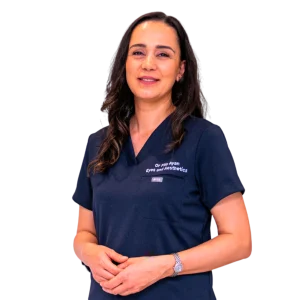
If lash serums have left your eyes irritated or changed their appearance, book a consultation with Dr Filis Ayan, Consultant Ophthalmologist, at The Door W4 in Chiswick, London.
About Dr Filis Ayan: Dr Filis Ayan, MD, PhD, is a Consultant Ophthalmologist and Oculoplastic Specialist based in London. She specializes in preserving ocular health while achieving refined, natural aesthetic rejuvenation.
Related patient guides
- Chalazion and eyelid lump removal: what to expect
- Dermal fillers and tear trough filler: what to expect
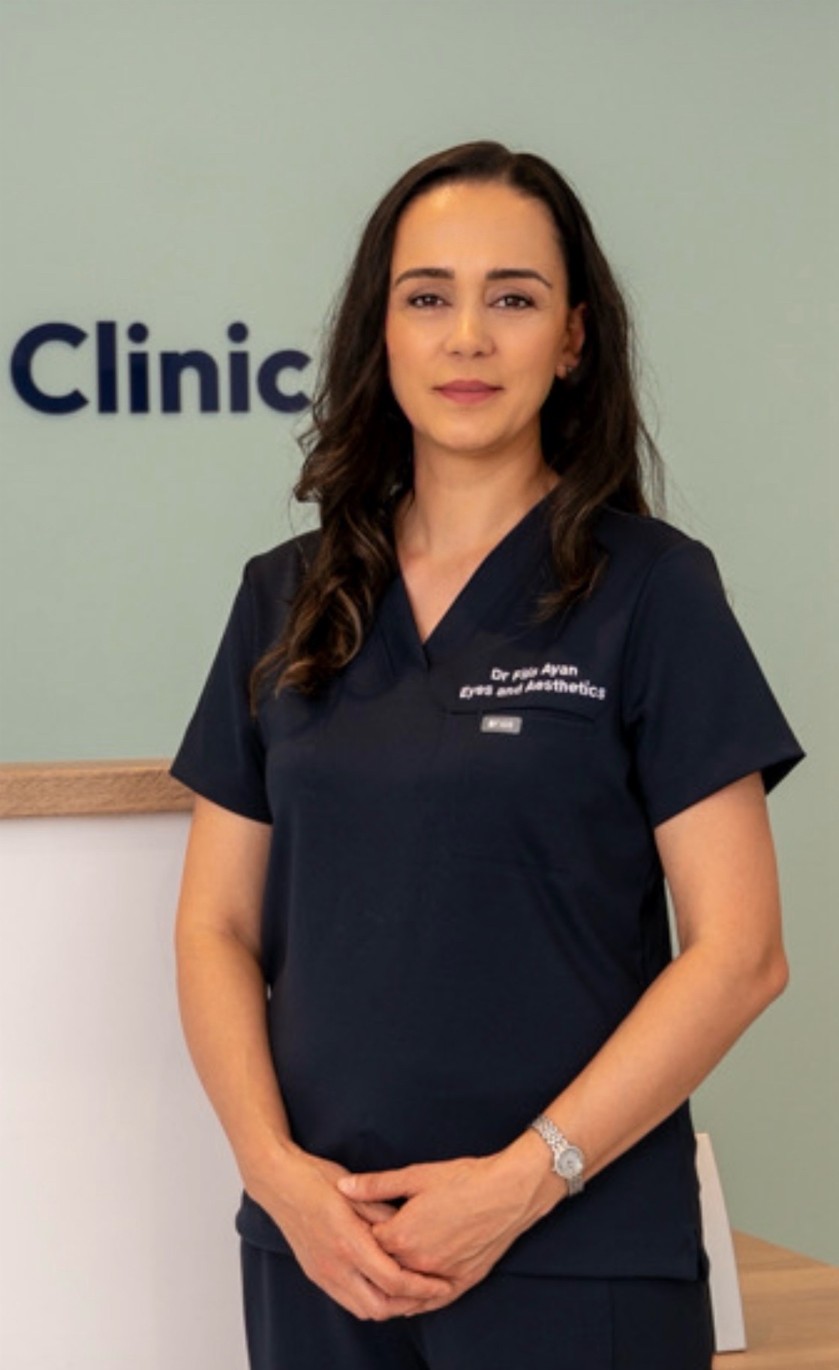
Book a Consultation with Dr Filis Ayan
Have a question about your eyelids, eye bags or the skin around your eyes? Meet Dr Filis Ayan, Consultant Ophthalmologist and oculoplastic surgeon (MBBS, PhD, FEBOphth), for a personal assessment at The Door W4 in Chiswick, London. You will get an honest opinion on the options that suit you, with no pressure to proceed.