



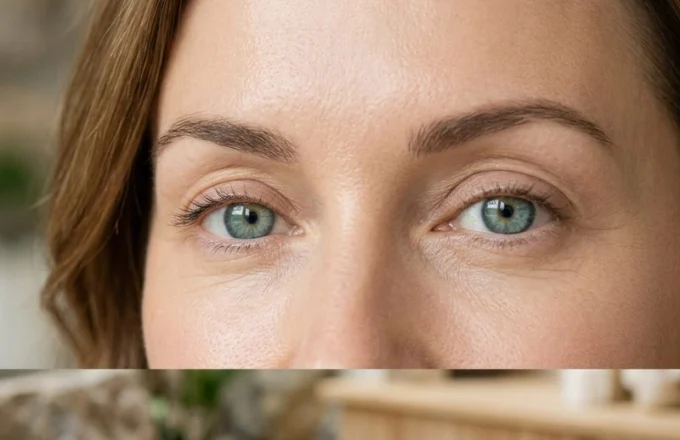
Eyelid surgery, or blepharoplasty, is consistently one of the most rewarding procedures in aesthetic medicine. Because our eyes are the first thing people notice when they look at us, refreshing this area can make an incredible difference—helping you look bright, well-rested, and full of energy.
However, getting those seamless, virtually invisible results depends heavily on making sure the procedure is right for you. Eyelid surgery is highly effective, but it isn't a blanket fix for every concern around the eye. Here is an honest guide to what makes someone an ideal candidate for this surgery.
1. You Face Structural Changes, Not Just Surface Lines
The best candidates for a blepharoplasty are individuals dealing with physical, structural changes around their eyes rather than superficial skin texture. These typically include:
Heavy Upper Hooding: Excess skin on the upper lid that sags down, sometimes resting on the eyelashes or even slightly clipping your upper vision.
Stubborn Lower Bags: Puffy areas under the eyes that stay visible no matter how much sleep you get, how much water you drink, or what eye creams you apply.
Pronounced Tear Troughs: Deep hollows under the eyes that cast a persistent shadow, making you look exhausted even when you feel great.
If your main concern is fine surface lines (like crow's feet) or dark pigmentation caused by skin tone rather than a physical shadow, non-surgical treatments like skin boosters or targeted peels are often a better place to start. Blepharoplasty works best when we are addressing actual tissue changes.
2. You Want to Look Refreshed, Not Different
The most successful outcomes happen when patients want to restore what they used to have rather than transform into someone else. Modern eyelid surgery is designed to respect your natural eye shape and facial expressions. The ideal patient doesn't want to change their identity; they simply want to look like a well-rested, vibrant version of themselves.
3. You Are in Good General and Eye Health
Because blepharoplasty involves tiny, precise incisions, being in good general health is very important. If you have conditions like high blood pressure, they need to be well-managed, as this keeps the risk of bleeding low during and after the procedure.
Being a non-smoker or being fully prepared to pause smoking for a few weeks before and after surgery is also essential. Nicotine narrows the blood vessels, which slows down your healing and increases the risk of visible marks. From an eye perspective, your eyes should be healthy, well-lubricated, and free from severe dry eye syndrome or active infections.
4. You Have a Realistic Understanding of Recovery
While blepharoplasty is an outpatient procedure and the initial recovery is relatively quick, it is still a surgical journey. The best patients are those who are happy to follow the post-op advice closely. This means taking about a week off from heavy exercise, using cold compresses to help with swelling, and understanding that while you will look great after a couple of weeks, the tissues take a few months to fully settle.
If you feel like your eyes are telling a story of fatigue that doesn't match how energetic you feel on the inside, you might be the perfect fit for this elegant, lasting procedure.